


Why This Decade Will Define Africa’s Great Landscapes
Every generation inherits a defining conservation challenge. In the early twentieth century we focused on creating protected areas before the natural world disappeared altogether. In the latter half of the century, we prevented the extinction of iconic species such as black rhino, mountain gorillas and African elephants. Our efforts transformed conservation, demonstrating that determined action could reverse even the most dramatic declines. Now, the defining challenge of our generation is again, different.
We now know that it is no longer enough to save individual species but we must safeguard the ecological systems that make life itself possible. This shift in our understanding has emerged from one of the most significant developments in environmental science in recent decades. Researchers increasingly understand that climate change, biodiversity loss, freshwater security, food production and human health are not separate crises that can be solved independently. They are deeply interconnected, each shaped by the condition of the ecosystems that sustain them. The 2024 IPBES Nexus Assessment, produced by 165 experts from 57 countries, concludes that tackling these challenges in isolation is unlikely to succeed. Instead, it argues for integrated approaches that recognise the profound connections between biodiversity, climate, water, food systems and human wellbeing.
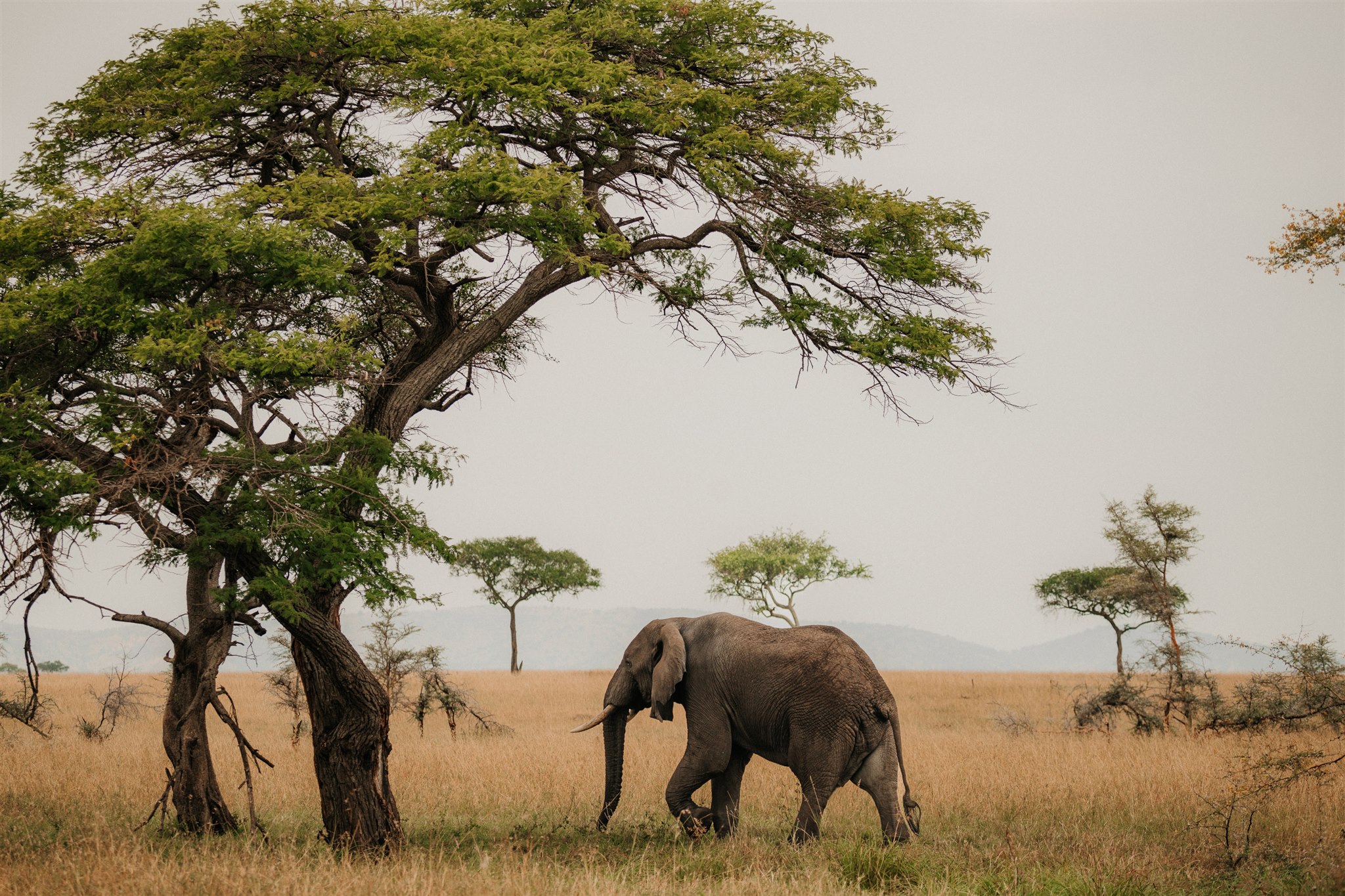
This scientific consensus has fundamentally changed how conservation is understood. Rather than focusing solely on protecting species or expanding the boundaries of protected areas, conservation increasingly seeks to maintain functioning landscapes: interconnected systems of forests, rivers, grasslands, wetlands and human communities whose ecological processes underpin life at every scale. Healthy landscapes regulate rainfall, store carbon, filter freshwater, sustain pollinators, replenish soils and provide habitat for wildlife. They are not just places where nature exists; they are living systems that support economies, societies and planetary stability. Few regions illustrate this more powerfully than Africa.
From the vast savannas of East and Southern Africa to the forests of the Congo Basin, the continent still contains some of the world’s last great functioning landscapes. These ecosystems support extraordinary biodiversity, but their importance extends far beyond wildlife. They regulate regional climates, sustain major river systems, store globally significant quantities of carbon and support millions of livelihoods through agriculture, tourism and natural resource management. In an increasingly unstable climate, their resilience has become a matter of global importance. So, why is this decade so significant?
For the first time, science, policy, technology and finance are converging around a shared understanding of what successful conservation requires. Internationally, governments have committed themselves to an unprecedented set of goals to be achieved by 2030. The Kunming–Montreal Global Biodiversity Framework calls not only for the protection of nature, but for restoring degraded ecosystems, improving ecological connectivity and embedding protected areas within wider landscapes. Running alongside it, the UN Decade on Ecosystem Restoration has made ecosystem recovery a global priority, recognising restoration as essential not only for biodiversity, but also for food security, water security, climate resilience and sustainable development. At the same time, conservation itself is being transformed by technology. Satellite imagery, remote sensing, environmental DNA, bio-acoustic monitoring and artificial intelligence are allowing conservationists to understand landscapes with unprecedented precision. Ecological change can increasingly be monitored in near real time, enabling interventions that were unimaginable even a decade ago. Long-term stewardship is becoming more informed, more adaptive and more collaborative. Finance, too, is evolving.

Traditional philanthropy has often focused on individual projects: protecting a species, funding ranger patrols or restoring a specific habitat. These investments remain indispensable. Increasingly, however, philanthropic organisations are recognising that lasting impact comes from strengthening the systems that connect them. Healthy landscapes require long-term investment in ecological restoration, scientific research, education, sustainable livelihoods and local leadership. Conservation is becoming less about funding isolated activities and more about investing in resilient ecological and social systems capable of sustaining themselves over generations. This evolution is reflected in growing interest in blended finance, natural capital and other approaches that seek to mobilise long-term investment alongside traditional philanthropy. This is the context in which ACCF’s work sits.
Across Grumeti, Malilangwe, Karingani and Rwanda’s Volcanoes landscape, the ambition is not simply to protect remarkable places, but to strengthen the ecological and human systems that enable them to flourish over the long term. By bringing established and emerging conservation landscapes together within a single framework, ACCF aims to help protect and restore one million acres of globally significant ecosystems, strengthen opportunities for 100,000 people, and expand education, leadership and economic opportunities for 10,000 women and girls by 2030. These are not separate objectives, but interconnected measures of resilience.
History rarely announces the decades that will later be regarded as decisive. Yet there are moments when scientific understanding, political ambition and practical opportunity align. The years leading to 2030 appear to be one of those moments. The choices made now by governments, researchers, communities, conservation organisations and philanthropic partners will help determine whether Africa’s great landscapes remain resilient, connected and capable of sustaining both people and wildlife for generations to come.
We invite you to join ACCF in helping shape this future. Together, we can invest in thriving landscapes that sustain wildlife, strengthen communities and safeguard the natural systems upon which we all depend.