


The Malilangwe Trust’s Neighbour Outreach Programme: Building Stronger Communities Together
Life along the edge of the Malilangwe Wildlife Reserve is shaped by the close relationship between people and the wilderness. Children walk to school past ancient baobabs, farmers tend their fields, and wildlife moves freely through the landscape, a daily reminder of how intertwined the Reserve and its neighbouring communities are.
Recognising this connection, the Malilangwe Trust is deeply committed to being a good neighbour. Through its Neighbour Outreach Programme (NOP), the Trust works hand in hand with communities within a 50 km radius of the Reserve, identifying opportunities where targeted initiatives can create the greatest positive impact.
A cornerstone of this approach is the Trust’s commitment to hiring locally, with the majority of staff coming from these surrounding communities.
More Than a Good Neighbour
What began as a promise to be “the best neighbour anybody could wish for” has grown into a long term partnership with villages within about 50 kilometres of the reserve. Because most of Malilangwe’s staff come from these communities, the NOP is deeply rooted in local priorities, not outside assumptions.
The programme focuses on what matters most: food security, education, youth opportunity, health, and sustainable livelihoods.
1. Nutrition: A Daily Lifeline
Every school day, more than 20,000 children receive a fortified maheu meal provided by The Malilangwe Trust. It is a simple act with powerful results: children concentrate better, school attendance is boosted, and local women earn income by preparing and distributing the meal.
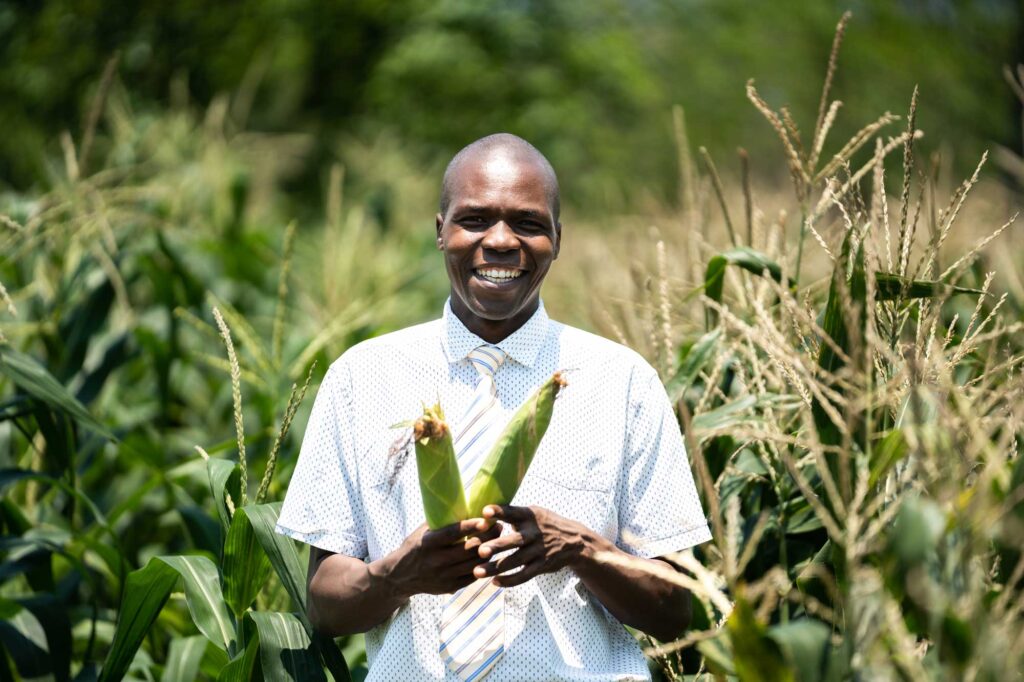
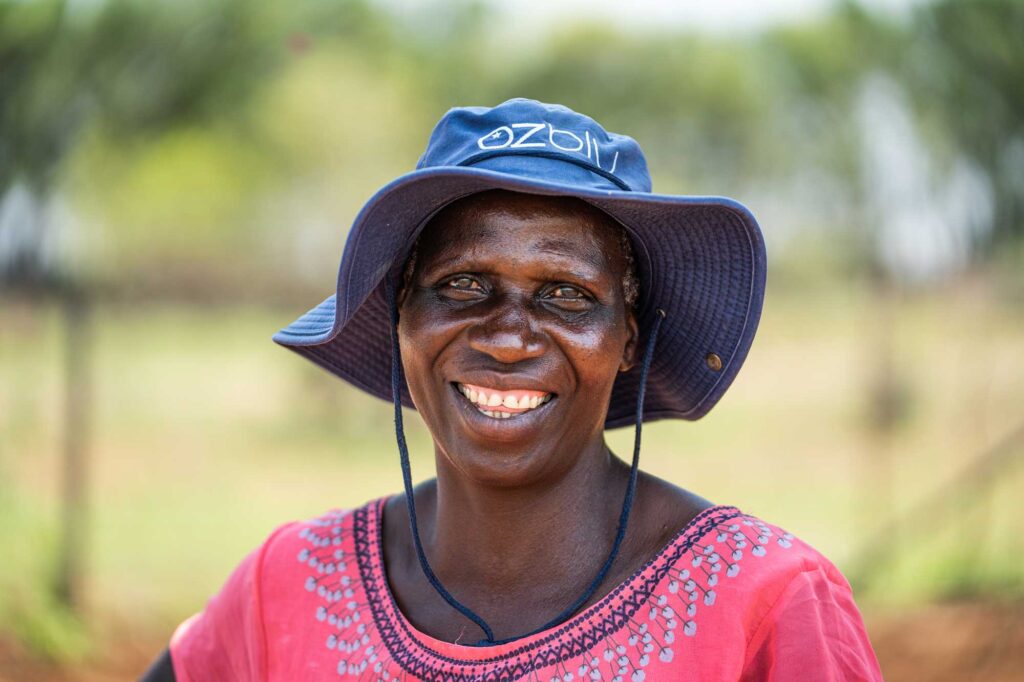
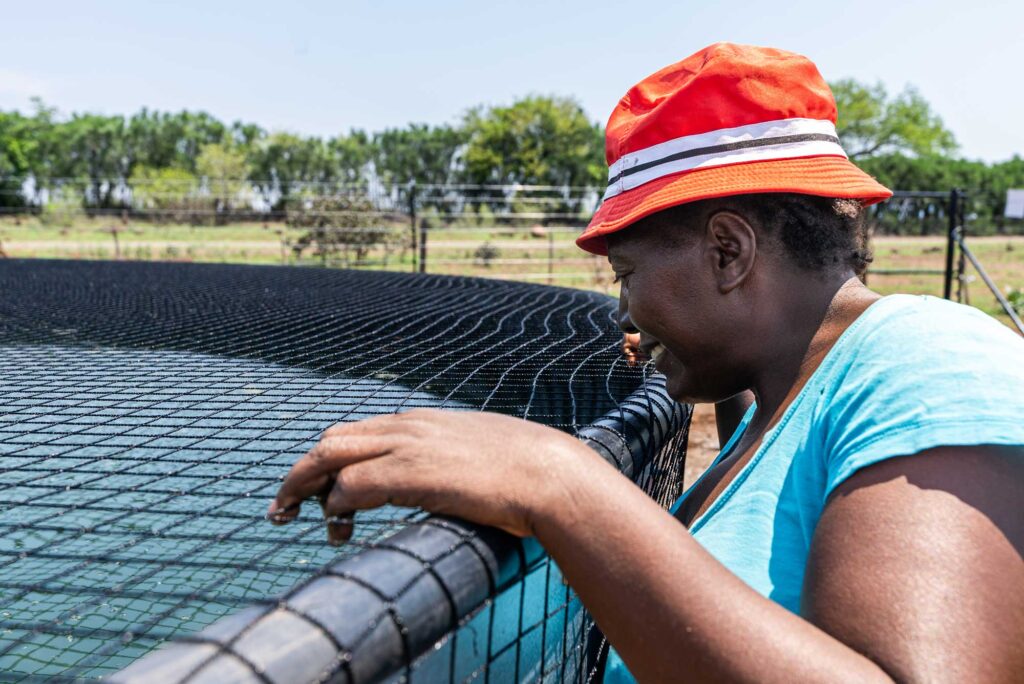
Community gardens and fish farming projects, run by groups like the Khomanani Community Garden, add another layer of resilience by growing fresh food and creating new income streams.
2. Education: Opening Doors for the Next Generation
Education is a cornerstone of the NOP. Support includes:
- Infrastructural maintenance and development of classrooms and school blocks
- Bursaries and scholarships to deserving students from local communities
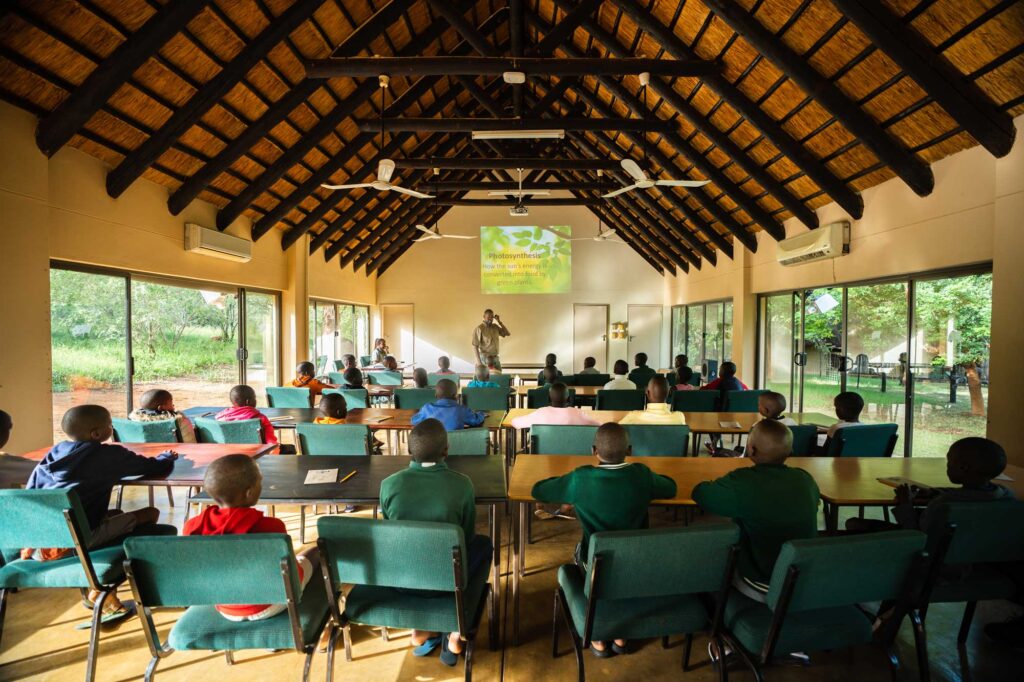
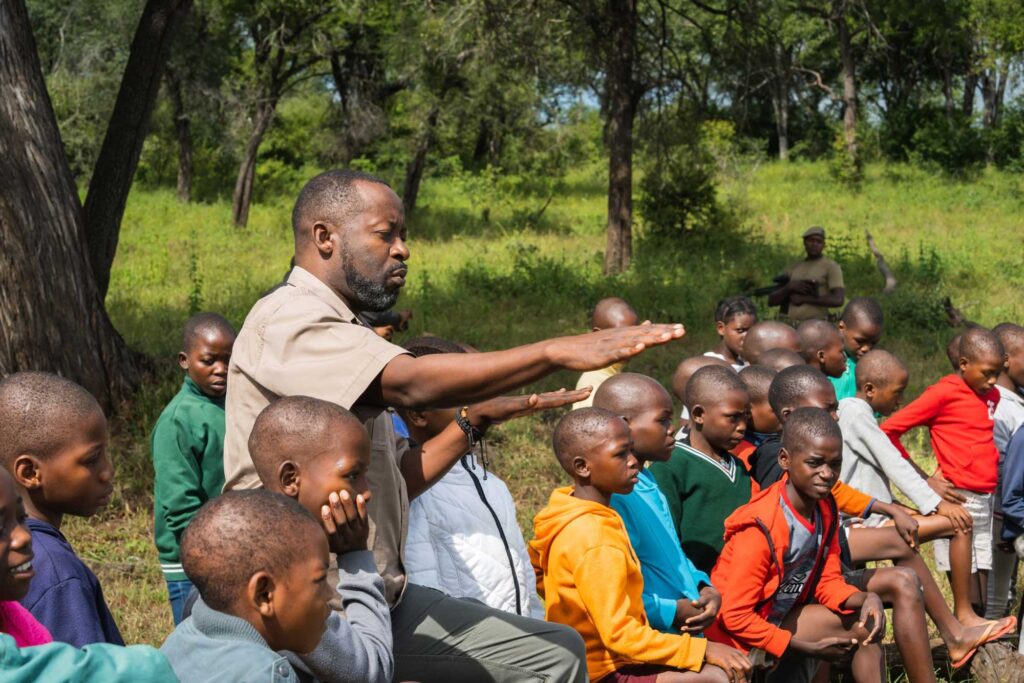
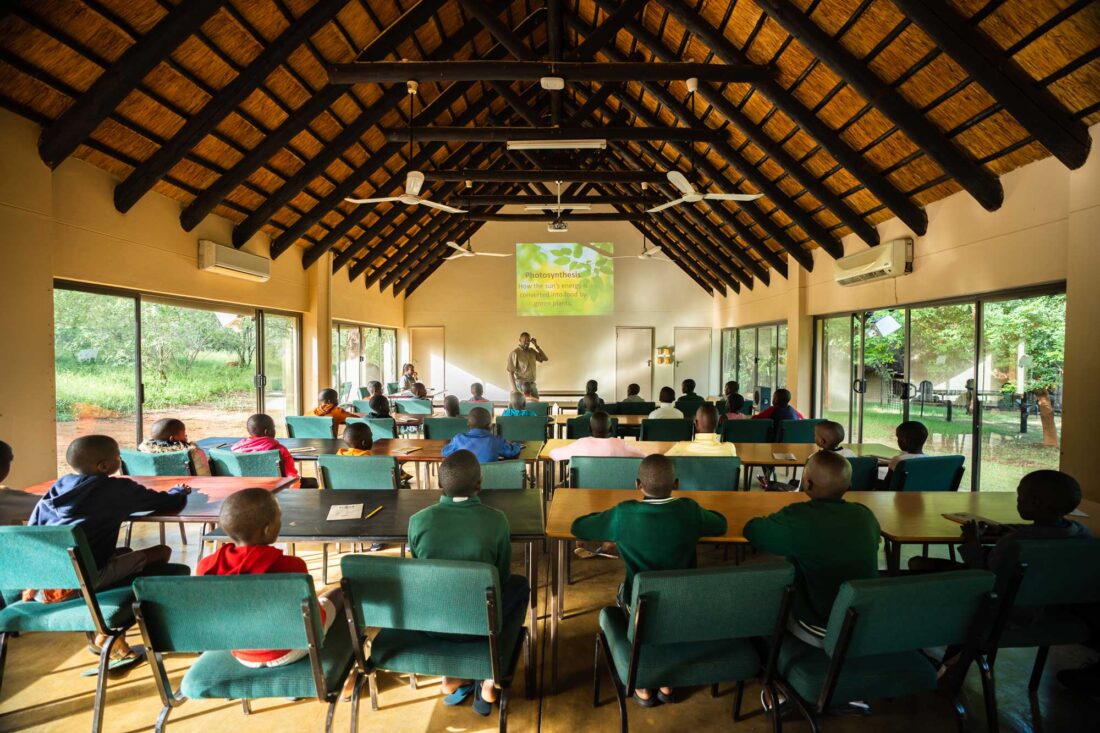
- A Conservation Education Camp that gives students immersive days on the reserve
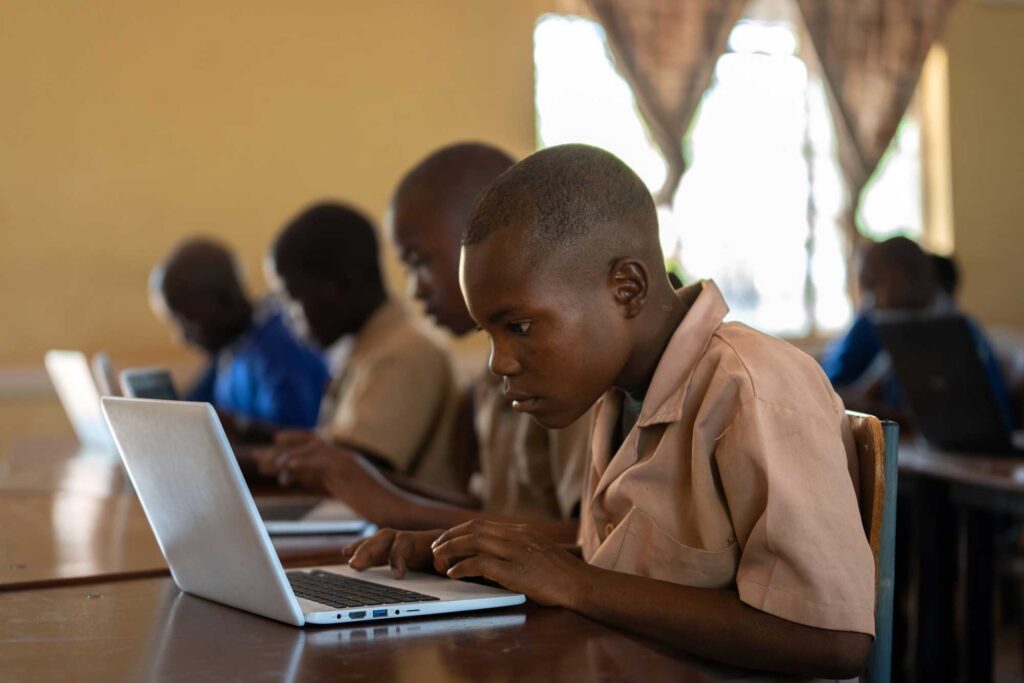
- Four solar powered E Learning Centres that brings digital tools to four rural schools
These investments help transform education from a distant goal into a daily reality for thousands of children.
3. Empowering the Next Generation Building Confidence and Leadership
NOP also supports initiatives that lift up young people.
Their collaboration with Girl Child Empowerment Trust helps adolescent girls gain vital knowledge on health, education, career guidance, and life skills like financial literacy and leadership, all while building confidence and addressing issues of staying in school, early marriage and gender based violence.
4. Health and Community Services: A Foundation for Wellbeing
Malilangwe’s NOP has contributed to the building and equipping of clinics, supports health outreach, and runs awareness campaigns. Malilangwe’s staff benefit from wellness programmes that strengthen both physical and mental health.
These efforts create stronger, healthier communities.
Why It Matters
Contemporary conservation science increasingly recognises that protected areas do not exist in isolation. Their long term viability depends on the socio economic stability, perceptions, and participation of the communities that border them. Where local populations experience tangible benefits linked to conservation areas, they are more likely to view these landscapes as shared assets rather than restricted spaces.
Within this framework, the NOP functions as a mechanism for strengthening what social ecologists describe as “co management legitimacy”: trust, reciprocity, and shared responsibility between conservation institutions and neighbouring communities. Access to education, nutrition, livelihoods, and health programmes reduces vulnerability and strengthens household resilience. In turn, households with greater resilience are more inclined to support conservation norms, discourage illegal activities, and engage constructively with wildlife authorities.
Your Role in the Story
For donors and partners, investing in a project under Malilangwe’s Neighbour Outreach Programme represents a dual impact opportunity: improving human wellbeing while reinforcing the ecological stability of a globally significant conservation area. Support for the NOP is effectively support for a holistic conservation model where social systems and natural systems are treated as interdependent rather than competing priorities.
The outcomes are evident and measurable. Schools record higher attendance and improved learning environments. Community gardens and food security projects generate both nutrition and local income. Health outreach strengthens community resilience. Youth focused programmes cultivate leadership capacity that shapes long term social stability.
On the reserve, these human development gains translate into ecological dividends: reduced pressure on natural resources, stronger community reporting networks, and a social environment that supports wildlife protection rather than undermining it.
The evidence is clear. When communities thrive, conservation thrives. By supporting ACCF, donors help secure a landscape where both people and wildlife can flourish, creating a model of integrated conservation that is increasingly relevant in a rapidly changing world.