


Gorongosa’s MA Students visit Karingani
How do we translate academic knowledge into the practical skills needed to navigate complex, real-world environments? While training programmes in conservation biology are expanding this critical challenge remains. Now we are seeing across Mozambique a growing recognition that the future of conservation depends not only on protecting landscapes, but on investing in the people who will manage them.


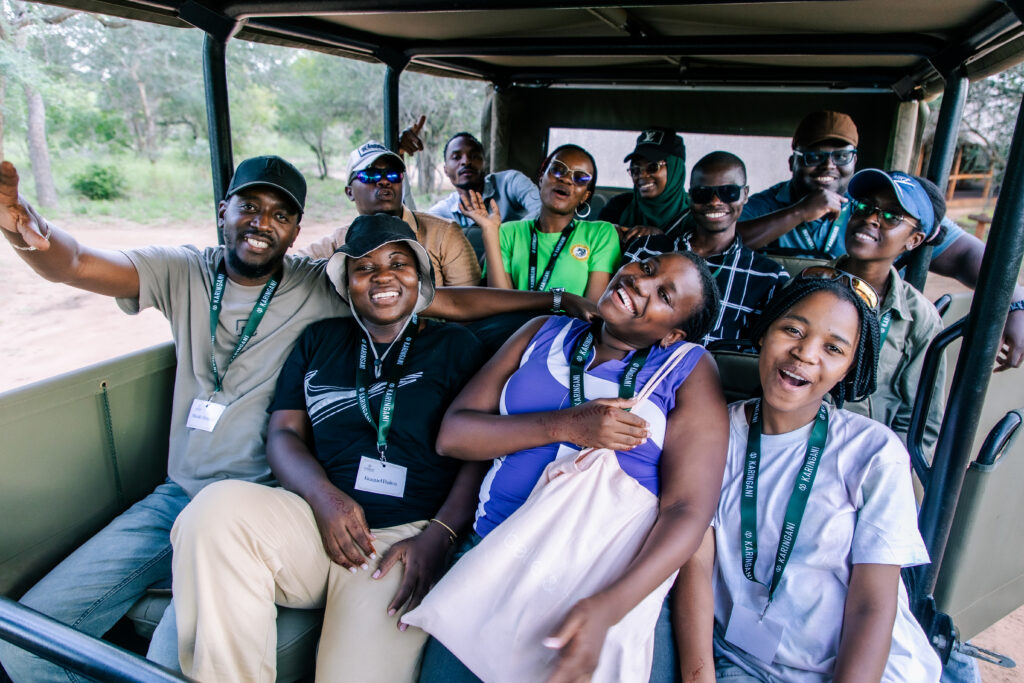
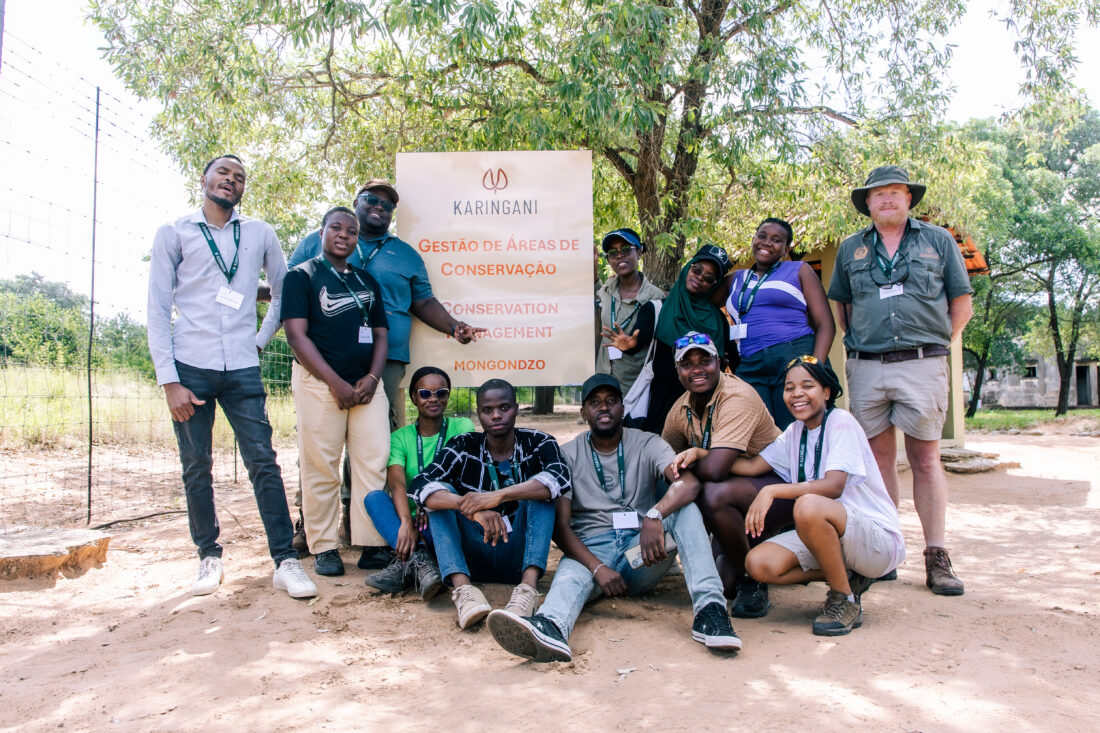
A recent collaboration between Karingani Game Reserve and Gorongosa National Park offers a compelling example of how this gap can be addressed. As part of a structured learning exchange, graduates from the Gorongosa Master’s Programme in Conservation Biology (Mozambique’s first programme of its kind) took part in an immersive field visit designed to expose them to the realities of managing a large conservation landscape.
At Karingani, students moved beyond theory and into practice. They worked alongside conservation teams in the field; were given the opportunity to observe wildlife and habitat management; and engage with projects that connect conservation to community development, which included sustainable fisheries, clean water systems, and waste management initiatives. What stood out most to the students was the understanding that conservation does not happen in isolation. In landscapes like Karingani, where communities depend directly on natural resources, long-term success depends on aligning ecological goals with social and economic realities. Students saw first-hand that initiatives benefiting local communities are not separate from conservation but they are fundamental to it! This sits at the core of the ACCF philosophy.
Balancing biodiversity protection with human needs is rarely straightforward. It is further complicated by the need to monitor wildlife across vast landscapes and to coordinate efforts across regional conservation systems. Together, these challenges require a combination of scientific knowledge and practical experience. It also requires adaptive thinking and these are all skills that can only be fully developed through exposure to real-world conditions. Encouragingly, the exchange revealed a strong and motivated group of young Mozambican conservationists, many of whom are eager to build careers in fields such as wildlife monitoring, freshwater ecology, data science, and community-based conservation.
However, turning this potential into long-term impact depends on creating clear pathways into employment. This includes the development of internships and mentorship opportunities, and mostly importantly early-career opportunities. For Karingani and its partners, this initiative represents more than a short-term training exercise. It reflects a broader shift in approach. Conservation areas are no longer seen only as places of protection, but as research centres, and places of learning. They are also places for professional development and employment. By investing in people, these programmes are helping to build a conservation sector that is locally led, technically strong, and better equipped to respond to Mozambique’s unique challenges.
The lesson is clear. Sustainable conservation is not only about protecting ecosystems but it is also equally about strengthening the people who will care for them in the long term. With the right support this work can be expanded. Philanthropic investment in training, mentorship, and employment pathways is essential to ensure that Mozambique’s next generation of conservation leaders has the opportunity and the capacity to shape the future of these landscapes.

