


The Science, Ethics and Realities of Rhino Translocation
A Thought Piece on Why Grumeti Is Ready for the Challenge
In the conservation world, animal translocation has become one of the most discussed tools in modern conservation, especially for reintroducing critically endangered species. For example, moving rhinos from captive-breeding centres or overpopulated reserves into their former home ranges can offer populations a fresh start, diversify genetics, and reopen ecological spaces where rhinos once thrived. Yet translocation is far more than the physical act of moving an animal. It sits at the intersection of science, ethics, politics, and long-term ecological responsibility.
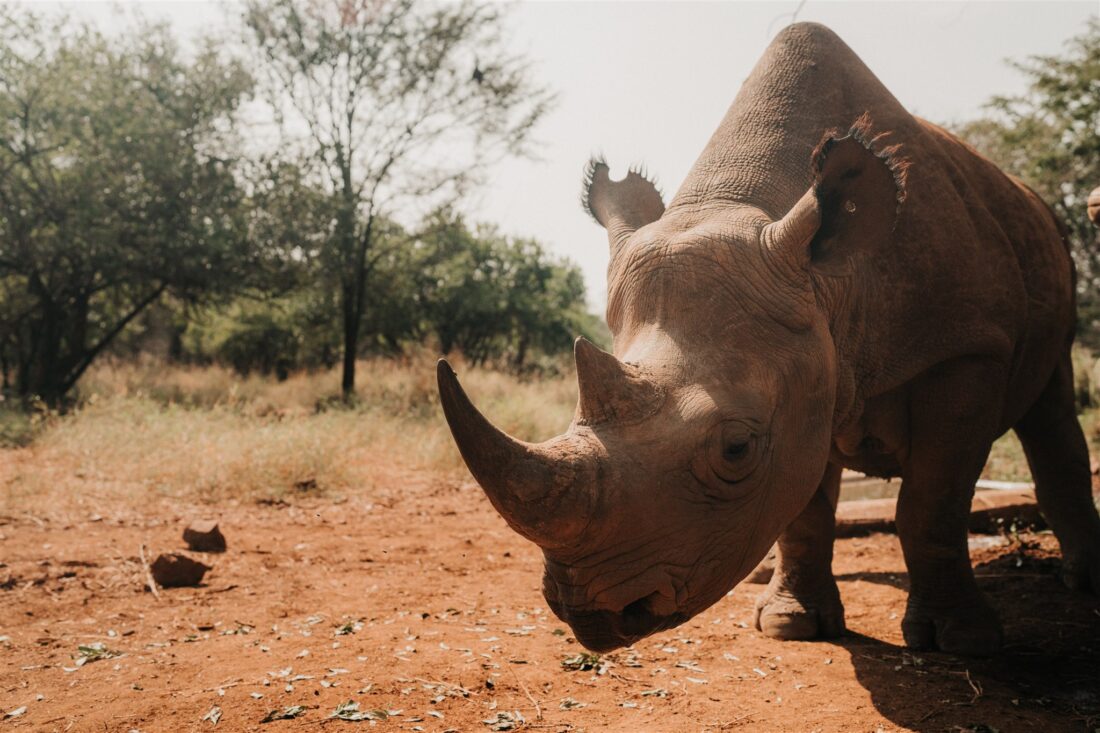
As the Grumeti Fund, in partnership with the Government of Tanzania, prepares for the reintroduction of at least 10 Eastern Black Rhinos to the Western Serengeti, it is worth pausing to reflect on why this approach exists, why it inspires both optimism and debate, and why this particular landscape is considered ready.
Why Translocation Matters: A Conservation Tool Shaped by History
In the not-so-distant past, Eastern Black Rhinos roamed across large parts of East Africa. Poaching, instability, and habitat degradation between the 1960s and 1990s led to dramatic population losses, and in many places rhinos disappeared completely. Translocation emerged during this period not as a perfect solution, but as a pragmatic response to crisis.
Today, conservationists use translocation as one tool to:
- support and diversify small, isolated populations
- reconnect fragmented genetic lines
- reduce vulnerability to poaching by spreading populations across multiple secure landscapes
- reintroduce ecological roles that had been lost
But translocation is not a universal answer. It is a tool whose success depends heavily on context and particularly on the readiness of the receiving landscape.
One of the most important and often least publicly discussed aspects of translocation is animal welfare. Rhinos are intelligent, sensitive animals, and changes in their environment can affect them deeply.
Several questions guide responsible programmes:
- Capture and Transport
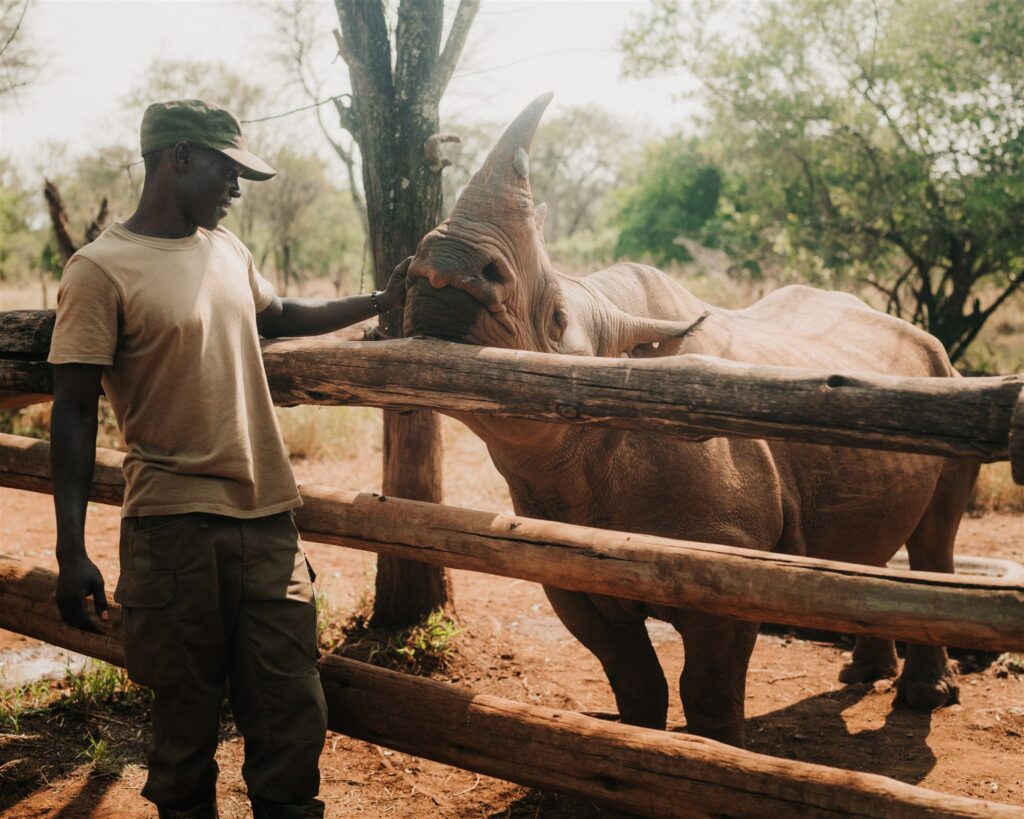
Even relatively straightforward sedation and transport involve risks. Each rhino responds differently, which is why handlers, vets, and behavioural specialists monitor and work with them closely over long periods before any move is planned. - Behavioural Transition
Rhinos raised in captive-breeding environments may need time and support to adjust to wild browse and ecological factors (For example: flies, diseases, climate, predators, etc), new social dynamics, and unfamiliar terrain. Observations over years, not weeks, help determine whether an individual is genuinely ready to be released into the wild. - The First 18 Months
This period is often described as the most delicate. Survival depends on consistent monitoring and protection, veterinary oversight, and a landscape that can offer stability while the rhinos establish themselves.
None of these considerations are optional, they form the ethical core of any responsible reintroduction. - Ecological Readiness: When a Landscape Is Truly Ready for Rhinos
A landscape can look pristine and still be unsuitable for rhinos. Habitat readiness involves quietly complex assessments:
- access to high-quality browse throughout the year
- reliable water sources
- vegetation that can sustain black rhino browsing long-term
- space for natural ranging and breeding behaviour
- potential knock-on effects on other species
- community engagement and support
- established and equipped wildlife protection and security teams
- community engagement and support
- established and equipped wildlife protection and security teams
This ecological groundwork is often invisible to the public, but it is foundational. And it is also where the Grumeti landscape stands out.
Why Grumeti Is So Carefully Positioned for This Work
While no site is ever “perfect,” few landscapes in Africa have undergone the depth of preparation seen at Grumeti. Much of this work has been slow, cumulative, and unglamorous, the kind of effort that rarely makes headlines but often determines long-term conservation success.
- Two+ Decades of Security Investment
The security infrastructure at Grumeti has evolved over more than twenty years and includes highly trained scout teams, canine support, satellite-linked monitoring, and close collaboration with Tanzania Wildlife Management Authority (TAWA). This level of preparedness is rare, and it reflects a recognition that rhino protection is a daily, long-term responsibility. - A Track Record With High-Risk Species
Grumeti’s work with elephants, lions, and other keystone species has demonstrated an ability to stabilise populations in areas that once faced intense poaching pressure. Such experience provides a strong foundation for welcoming rhinos. - Deep Ecological Restoration
From controlled burns to species and vegetation assessments projects, Grumeti’s ecological management has helped rebuild a landscape capable of supporting large megafauna. The aim has never been to “prepare for rhinos” specifically, but rather to restore the broader system that rhinos can eventually be part of. - Strong Community Partnerships
Sustainable conservation only works when neighbouring communities benefit. Grumeti’s investments in education, enterprise development, and community-led conservation reduce pressures on wildlife and help create a shared sense of stewardship. - Science-Led Veterinary and Ecological Planning
Collaboration with government authorities, rhino experts, wildlife veterinarians, and diverse reintroduction stakeholders ensures that decisions are based on evidence and best practice rather than urgency or external pressure. - A Commitment to the Long View
Rhino reintroduction is inherently slow. It depends on funding, monitoring, staff continuity, and ecological management across decades. Grumeti and ACCF have already demonstrated the willingness, and capacity, to stay the course.
Taken together, these elements form a strong foundation for responsible translocation.
Considering the Risks: A Space for Honesty
Across Africa, some translocations have faced challenges, not because of negligence, but because the work itself is complex. Issues such as insufficient security, ecological mismatch, or rushed timelines have shown how carefully each step must be approached.
These realities are not a reason to avoid translocation altogether. Rather, they highlight the importance of patience, transparency, and a landscape prepared long before any rhino arrives.
When Translocation Works Well
Examples of successful reintroductions often share certain characteristics:
- strong, long-term government–NGO partnerships
- secure landscapes with proven security capacity
- robust veterinary and genetic planning
- adaptive management once rhinos are released
- strong community relationships
- committed, long-term funding
These are precisely the principles guiding the work at Grumeti.
The three rhinos currently in Kent represent a long-term vision built slowly and deliberately in the Western Serengeti. When the time comes for them to move, they will be entering a landscape shaped by more than two decades of preparation, collaboration, and quiet, persistent work.
If you’d like to hear more about the programme or other projects that ACCF support, we would love to speak to you. Please feel free to reach out to Ranj at ranjit@africanccf.org.