


Title Image

Karingani Game Reserve – Mozambique

Overview

Karingani sits within the Greater Limpopo Transfrontier Conservation Area, forming a critical ecological corridor between Mozambique and South Africa. As one of Africa’s emerging large-scale conservation projects, Karingani is focused on restoring ecosystems, rebuilding wildlife populations, and developing a sustainable nature-based economy.

Through long-term investment, the project is transitioning from a previously degraded system into a functioning ecosystem – where conservation, community development, and tourism are integrated from the outset.

Philanthropic support through ACCF accelerates this trajectory, strengthening protection, enabling rewilding, and expanding opportunities for surrounding communities.
Why It Matters

Karingani demonstrates how early-stage investment can restore ecosystems while building a scalable model for conservation-led growth and long-term sustainable finance.

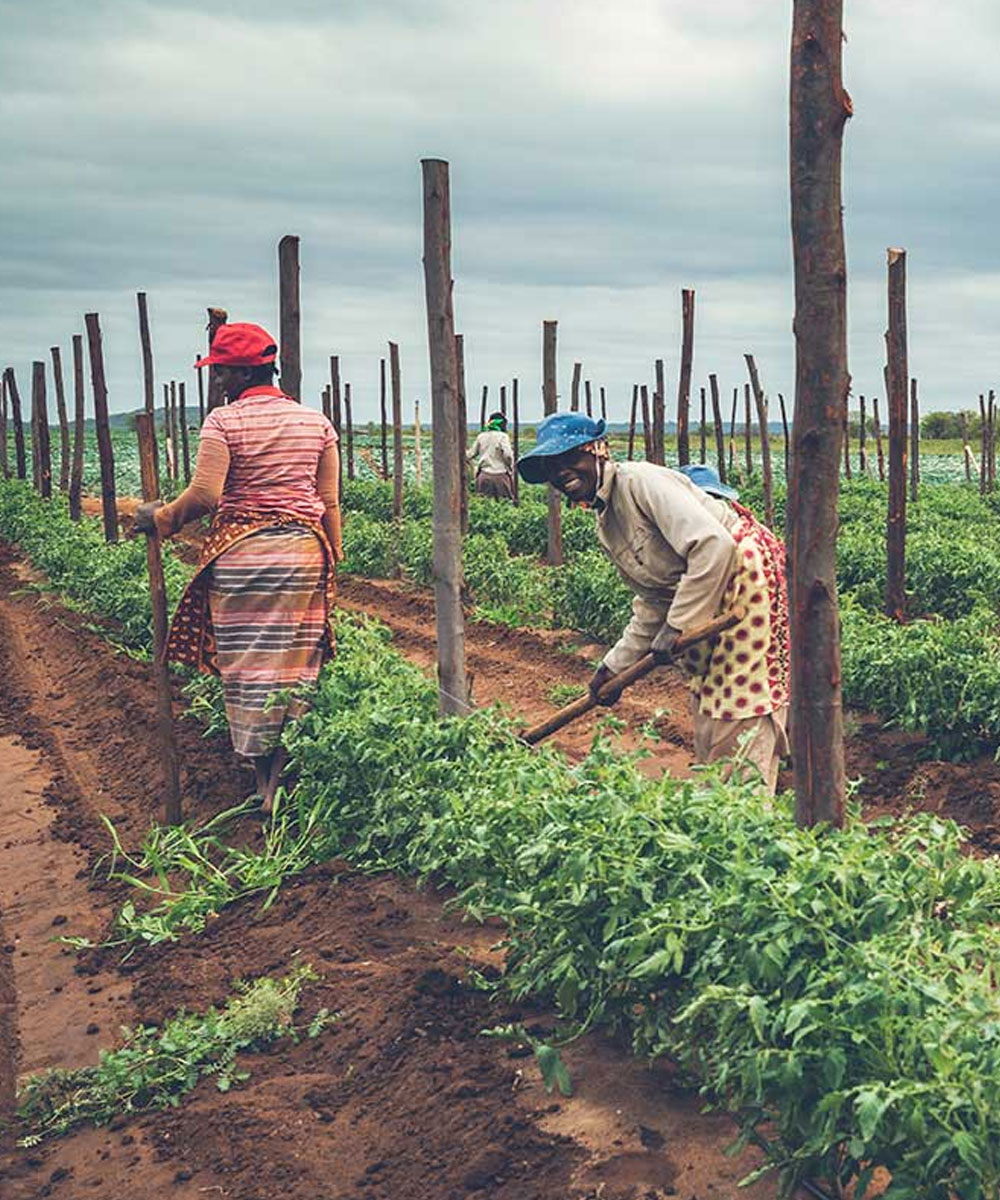
Working together in the Karingani game reserve

Flagship Initiatives

1. Landscape Restoration & Rewilding

Rebuilding ecological function through habitat restoration and species reintroduction

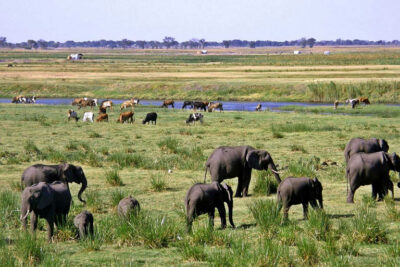
Karingani is restoring ecological function across a vast landscape within the Greater Limpopo Transfrontier Conservation Area, rebuilding ecosystems through habitat restoration, species recovery, and science-led land management.

Following decades of ecological decline and fragmentation, Karingani is investing in the recovery of wildlife populations, ecological connectivity, water systems, and habitat resilience. This includes wildlife monitoring, vegetation management, fire planning, water provision, and long-term restoration planning to support healthy ecosystems.

As wildlife populations recover and ecological processes strengthen, Karingani is helping restore one of southern Africa’s most important conservation landscapes while creating the foundations for long-term biodiversity resilience.

Key Areas

  • Habitat restoration and landscape recovery
  • Wildlife reintroduction and population recovery
  • Fire and ecosystem management
  • Ecological monitoring and science-led management
  • Climate and ecosystem resilience

2. Community Partnerships & Livelihoods

Supporting education, healthcare, and sustainable economic opportunity

Karingani works with neighbouring communities to strengthen livelihoods, improve wellbeing, and create long-term opportunities linked to conservation.

Programmes focus on education, healthcare access, skills development, employment, enterprise support, and climate-resilient livelihoods that help build household resilience. Emphasis is placed on supporting local economic participation through jobs, procurement, training, and partnerships with surrounding communities.

Karingani also recognises the critical importance of healthy ecosystems to community wellbeing – supporting understanding of ecosystem services such as water security, soil health, climate resilience, and agricultural productivity.

By strengthening relationships and creating shared value, Karingani aims to ensure conservation delivers meaningful and lasting local benefits.

Key Areas

  • Education and community wellbeing
  • Skills, training and local employment
  • Livelihood and enterprise development
  • Ecosystem services and climate resilience
  • Community engagement and partnerships

3. Protection & Landscape Security

Strengthening frontline protection through training, equipment, and welfare

Protecting a landscape of Karingani’s scale requires strong frontline protection systems, highly trained personnel, and effective partnerships across borders.

Karingani invests in ranger welfare, training, equipment, and operational systems to strengthen protection capacity and safeguard wildlife and habitats. This includes patrol systems, ecological monitoring, security infrastructure, and collaboration with neighbouring conservation partners across the wider landscape.

As part of the Greater Limpopo Transfrontier Conservation Area, Karingani contributes to broader regional conservation goals, helping strengthen ecological connectivity and coordinated protection efforts.

Key Areas

  • Ranger welfare, training and equipment
  • Wildlife protection and landscape security
  • Ecological monitoring and surveillance systems
  • Regional conservation partnerships
  • Cross-boundary landscape protection

4. Sustainable Tourism & Conservation Finance

Building long-term revenue through strategic tourism partnerships

Karingani is building a long-term conservation economy through carefully planned, low-impact tourism designed to generate sustainable revenue for both conservation and communities.

Strategic tourism partnerships are helping create a financially resilient model where revenue generated through nature-based experiences is reinvested into ecosystem restoration, wildlife protection, employment, and community development.

This approach recognises that conservation success depends on long-term financial sustainability. By linking conservation outcomes to responsible tourism investment, Karingani aims to build a scalable model for conservation-led growth.

Key Areas

  • Sustainable tourism partnerships
  • Conservation financing and revenue generation
  • Employment and local economic opportunity
  • Low-impact nature-based tourism
  • Long-term financial sustainability
Part of 3.8 million hectare transfrontier ecosystem

Part of a 3.8 million
hectare transfrontier ecosystem

Large scale African ecosystems

Large-scale habitat restoration
and ecosystem recovery underway

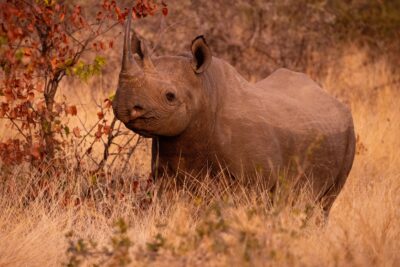
Black Rhino

Reintroduction and recovery
of key wildlife species

Expanding community programs
supporting livelihoods and resilience

High value - low impact tourism

Development of high-value,
low-impact tourism

Integration of ESRI
to integrate data collection

Partners

Implemented by Karingani Game Reserve in partnership with local communities, government stakeholders, and regional conservation initiatives within the Greater Limpopo Transfrontier Conservation Area. Philanthropy managed through ACCF.
Learn More at Karingani.com

Your support will make an impact

Contribute to sustainable community and conservation projects in Africa.
This site uses cookies. By clicking ‘Accept’, you agree to the use of cookies. Cookie Policy
Accept
Reject
Cookie Settings
This site uses cookies. By clicking ‘Accept’, you agree to the use of cookies. Cookie Policy
Accept
Reject
Cookie Settings